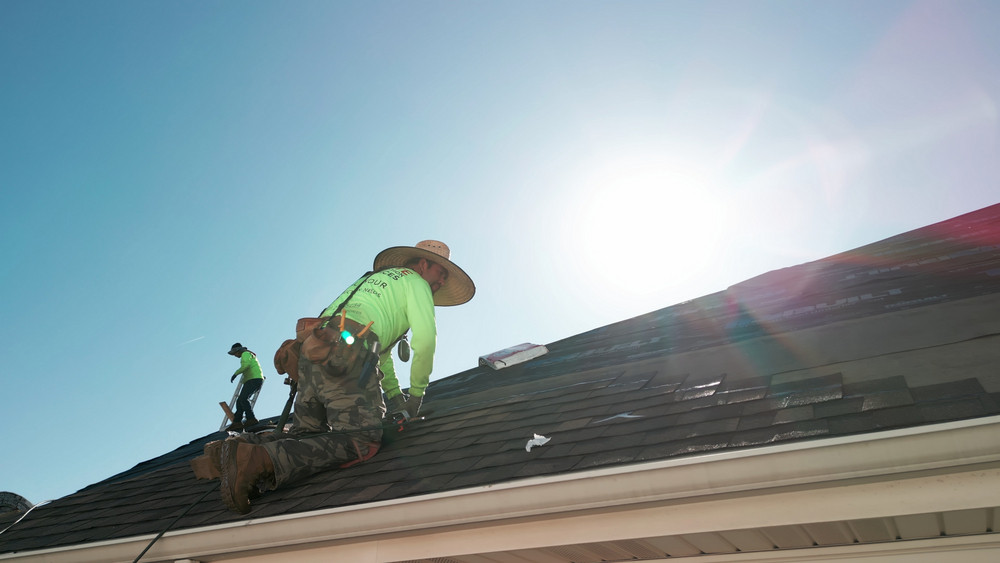
Your roof is one of the most important parts of your home, yet it’s often overlooked until a problem appears. From minor leaks to major structural issues, neglecting roof maintenance can lead to expensive repairs down the line. The good news is that with regular inspections and timely upkeep, you can extend your roof’s lifespan and avoid unexpected costs. So, how often should you really repair or maintain your roof? Let’s break it down.
Why Regular Roof Maintenance Matters
Roof maintenance isn’t just about fixing visible damage; it’s about preventing problems before they start. Small issues like loose shingles, clogged gutters, or minor leaks can quickly escalate into costly repairs if ignored. Regular upkeep helps protect your home from water damage, mold growth, and energy inefficiency.
Many homeowners underestimate how common roof work actually is. According to This Old House, 31% of homeowners have taken care of roof repairs or maintenance within the past three years. This shows that roof upkeep is not a rare event; it’s a routine part of homeownership.
Staying proactive with maintenance can save you money and stress in the long run, especially when compared to the cost of a full roof replacement.
How Often Should You Inspect Your Roof?
Routine inspections are the foundation of good roof maintenance. Even if your roof looks fine from the ground, hidden issues can develop over time due to weather, aging materials, or debris buildup.
Experts recommend scheduling inspections regularly. According to AllState, homeowners should have their roofs checked at least once per year. Annual inspections allow professionals to spot early signs of damage, such as cracked shingles, weakened flashing, or moisture intrusion.
In addition to yearly inspections, it’s smart to check your roof after major weather events like heavy storms, high winds, or hail. These conditions can cause sudden damage that may not be immediately visible but can worsen if left untreated.
Understanding Your Roof’s Lifespan
Not all roofs are created equal, and the frequency of repairs often depends on the roofing material. Shingle roofs, which are among the most common, have a wide lifespan depending on quality and maintenance.
According to Foremost Insurance, asphalt shingle roofs typically last between 15 and 30 years. This means that as your roof approaches the upper end of that range, you may need more frequent repairs or even consider replacement.
If your roof is relatively new, maintenance may involve minor fixes and inspections. However, older roofs tend to require more attention, including replacing worn shingles, sealing leaks, and reinforcing weak areas. Understanding where your roof falls within its lifespan helps you plan for both maintenance and future expenses.
Signs Your Roof Needs Repairs
Even with regular inspections, it’s important to recognize warning signs that your roof may need immediate attention. Some of the most common indicators include:
- Missing, cracked, or curling shingles
- Water stains on ceilings or walls
- Sagging areas on the roof
- Granules are collecting in gutters
- Increased energy bills due to poor insulation
If you notice any of these issues, it’s best to act quickly. Delaying repairs can lead to more extensive damage, including structural problems and interior water damage.
Preventative Maintenance Tips
Keeping your roof in good condition doesn’t always require major repairs. Simple preventative measures can go a long way in extending its lifespan:
- Clean gutters regularly to prevent water buildup
- Trim overhanging branches to reduce debris and damage risk
- Remove moss or algae growth
- Check attic ventilation to prevent moisture buildup
- Address small issues before they become larger problems
By staying consistent with these tasks, you can reduce the likelihood of costly repairs and keep your roof performing at its best.
Maintaining your roof isn’t a one-time task; it’s an ongoing responsibility that plays a critical role in protecting your home. With annual inspections, attention to warning signs, and a clear understanding of your roof’s lifespan, you can stay ahead of potential issues.
Regular maintenance not only extends the life of your roof but also helps you avoid unexpected expenses and stress. Whether your roof is brand new or nearing the end of its lifespan, staying proactive ensures it continues to provide the protection your home needs for years to come.