Hard water is one of those household issues that can be easy to overlook. The water may look perfectly clear, yet the minerals it contains can gradually affect cleaning, plumbing, appliances, and everyday comfort. Over time, the impact can become more noticeable through stubborn residue, reduced efficiency, and the need for more frequent maintenance. Understanding how hard water affects different parts of a home can help homeowners recognize problems earlier and determine when a long-term solution may be worthwhile.
Hard Water Can Make Everyday Cleaning More Difficult
One of the first signs of hard water is often the residue it leaves behind. Calcium and magnesium can create mineral deposits on faucets, showerheads, sinks, glass shower doors, and other surfaces that regularly come into contact with water. These deposits can appear as white spots, cloudy film, or crusty buildup that becomes increasingly difficult to remove.
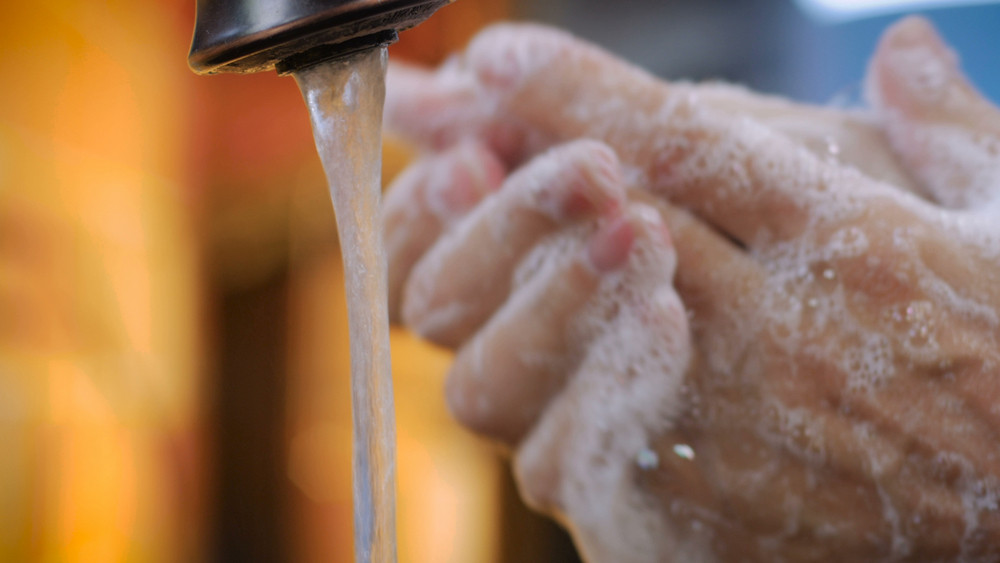
Hard water can also affect how soap and other cleaning products perform. Minerals in the water can interfere with soap, making it harder to create a rich lather and potentially leaving behind more residue after washing. As a result, homeowners may use more soap, shampoo, or detergent to achieve the same results.
This is a widespread issue rather than a rare household inconvenience. According to Southern Living, approximately 85% of U.S. households have hard water, meaning many homes are dealing with elevated levels of calcium and magnesium that can contribute to scale buildup and reduce soap performance. While the effects may seem minor at first, the ongoing accumulation can make routine cleaning more frustrating and time-consuming.
Mineral Buildup Can Affect Plumbing Fixtures
The effects of hard water do not stop at visible surfaces. Minerals can also accumulate inside plumbing fixtures and components as water moves through a home. Over time, scale buildup may restrict water flow through faucets, showerheads, and other fixtures.
A partially clogged showerhead, for example, may produce weaker water pressure as mineral deposits accumulate inside its openings. Faucets may also develop reduced flow or uneven water distribution. While cleaning or replacing individual fixtures can address immediate symptoms, recurring buildup may continue if the underlying water quality remains unchanged.
Hard water can also contribute to maintenance concerns around pipes and plumbing connections. The severity of the impact can vary depending on the mineral content of the water, the age of the plumbing system, and how long the buildup has been occurring. However, regular inspections and appropriate maintenance can help homeowners identify problems before they become more disruptive.
Your Water Heater May Face Extra Strain
Water heaters are another part of the home that can be affected by hard water. When mineral-rich water is heated, scale can form more readily on internal components, including heating elements and the bottom of a storage tank. This buildup can interfere with normal operation and make it more difficult for the system to heat water efficiently.
In a traditional tank-style water heater, sediment and mineral deposits may collect at the bottom of the tank. Over time, this can reduce available space for water and potentially contribute to unusual noises or reduced performance. In systems with heating elements, mineral buildup may create an insulating layer that makes it harder for heat to transfer effectively.
Water heater problems are already a notable source of plumbing concerns. According to WifiTalents, 12% of plumbing service calls are connected to water heater failure. Although hard water is not the only potential cause of water heater problems, mineral buildup can be one factor that contributes to maintenance needs and reduced system performance.
A Water Softener Can Be a Long-Term Home Investment
For homeowners dealing with persistent hard water, a water softener may offer a way to reduce the amount of certain minerals entering the home’s water supply. These systems are designed to address the minerals responsible for many common hard water effects, potentially helping reduce scale buildup and improve how soap performs.
A water softener can also support easier maintenance throughout the home. Fewer mineral deposits may mean less scrubbing around faucets and shower doors, reduced buildup on fixtures, and fewer concerns about scale accumulating in water-using appliances. The benefits will depend on the home’s water quality, the type of system installed, and whether the equipment receives appropriate maintenance.
A quality water softener is not necessarily a short-term purchase. According to HomeGuide, well-maintained, high-quality water softeners commonly have a lifespan of 15 to 20 years. This means homeowners who choose an appropriate system and keep up with necessary maintenance may be able to use it for many years.
Protecting Your Home Starts With Understanding Its Water
Hard water is common, but that does not mean homeowners have to accept every inconvenience associated with it. From stubborn scale buildup and reduced soap performance to potential effects on plumbing fixtures and water heaters, mineral-rich water can influence many aspects of daily life.
Understanding these potential effects makes it easier to recognize warning signs and consider appropriate solutions. Whether the best approach involves regular maintenance, water quality testing, or installing a long-lasting water softener, taking action early may help homeowners protect their plumbing, appliances, and everyday comfort over the long term.