A great event is not just about music, decorations, and an attractive venue. Lighting also plays an important role in creating the right atmosphere and making special moments more memorable. Whether it is a wedding reception, birthday party, concert, nightclub, or corporate celebration, the right lighting can completely change how a space looks and feels.
Many event organizers now pay closer attention to lighting because guests expect more than basic illumination. They want colorful effects, exciting performances, and an environment that matches the mood of the occasion. Modern stage lighting makes all of this possible by combining movement, colors, brightness, and creative effects.
Why Stage Lighting Matters at Every Event
Lighting helps establish the atmosphere before the event even begins. Soft and warm lighting can make a wedding venue feel romantic, while colorful beams and moving effects can bring energy to a birthday party or music performance.
For example, a wedding planner may use warm lights during the entrance of the bride and groom, followed by brighter effects when the dance floor opens. Similarly, a DJ can use changing colors and moving beams to keep guests entertained throughout the evening.
Good lighting also helps highlight important areas of a venue. The stage, dance floor, decoration backdrop, and performers can all receive separate lighting arrangements. This creates a more organized and visually appealing experience for everyone attending.
How Moving Head Lights Transform Entertainment
One of the most popular developments in modern event lighting is the use of moving head fixtures. Unlike traditional fixed lights, these devices can rotate, tilt, change colors, and produce different beam effects. This flexibility allows lighting operators to create dynamic displays without constantly changing equipment positions.
Professional event teams often use moving heads lighting to create attractive effects for concerts, wedding celebrations, clubs, and indoor entertainment venues. These fixtures can direct beams across the stage, follow performers, or create patterns that move with the rhythm of the music.
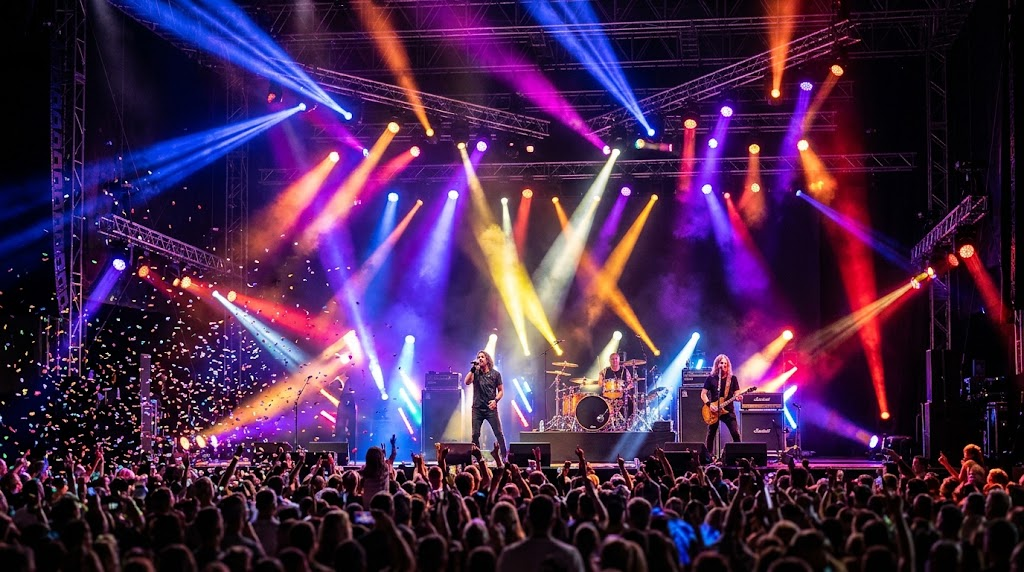
For instance, during a live music performance, a lighting operator can direct beams toward the singer while adding colorful effects behind the band. When the music becomes faster, the lighting can move more quickly to match the energy of the performance.
This type of flexibility makes moving head fixtures useful for both small entertainment spaces and large professional productions.
Different Types of Stage Lighting for Various Occasions
Not every event requires the same lighting setup. The choice depends on the venue size, event theme, available equipment, and desired atmosphere.
1. Beam Lights
Beam lights produce narrow, concentrated beams that are easy to see, especially in venues with atmospheric haze. They are commonly used in concerts, clubs, and DJ performances where sharp, moving light effects are part of the entertainment.
2. Spot Lights
Spotlights help direct attention toward a particular person or area. They are useful during wedding entrances, speeches, stage performances, and award ceremonies. Their focused illumination makes important moments easier for the audience to follow.
3. Wash Lights
Wash lights spread light across a wider area instead of producing a narrow beam. They are often used to illuminate stages, walls, dance floors, and decorative backgrounds. Different colors can help match the lighting with an event’s overall theme.
4. LED Stage Lights
LED fixtures are popular because they offer different color options and can support flexible lighting arrangements. Many modern models also provide convenient control options, making them suitable for event companies, hotels, wedding venues, and entertainment businesses.
Choosing the Right Lighting Equipment
Selecting stage lighting requires more thought than simply choosing the brightest available fixtures. Event organizers should consider several practical factors before making a purchase.
First, the size of the venue matters. A small wedding hall may not need the same equipment as a concert stage or large nightclub. Choosing suitable fixtures helps avoid unnecessary expenses while providing enough coverage.
Second, buyers should consider brightness, beam angle, color options, movement range, and control compatibility. Equipment that supports DMX control can offer greater flexibility for professional lighting operators who want to create coordinated effects.
Durability is another important factor. Lighting equipment used for regular events needs to handle transportation, installation, and long operating hours. Reliable construction and proper cooling systems can help maintain consistent performance.
Before purchasing, buyers can also explore product specifications and available options from a specialist laser moving head light manufacturer. Comparing technical details helps event professionals understand which lighting solutions are appropriate for their requirements.
The Role of Lighting in Wedding Celebrations
Weddings are among the events where lighting can make a particularly noticeable difference. Couples often spend considerable time choosing decorations, stage designs, flowers, and seating arrangements. However, the lighting setup helps bring all these elements together.
Warm lighting can create a welcoming atmosphere during dinner, while colorful effects can make the dance floor more exciting later in the evening. Moving beams can also add visual interest during the couple’s entrance and special performances.
Lighting can even improve event photography and video production. A well-planned setup helps photographers capture important moments with better visibility and more attractive backgrounds. However, brightness and color temperatures should be balanced to avoid uncomfortable glare or unnatural skin tones.
Simple Tips for Better Stage Lighting Results
A successful lighting setup does not always require a complicated system. Careful planning can make a significant difference.
- Plan the lighting layout: Decide which areas need illumination before installing equipment.
- Match colors with the event theme: Use suitable colors to complement decorations and overall styling.
- Avoid excessive brightness: Direct beams and intense effects should not make guests uncomfortable.
- Coordinate with music: Synchronizing lighting changes with performances can create a more engaging atmosphere.
- Check equipment beforehand: Test fixtures, cables, controllers, and power connections before guests arrive.
- Use professional operators: Experienced technicians can adjust lighting effects according to the event’s requirements.
These small steps can help prevent technical problems and make the entire experience more enjoyable.
Final Thoughts
Stage lighting has become an important part of modern entertainment. From romantic wedding celebrations to energetic concerts and private parties, the right equipment helps create an atmosphere that guests remember.
Moving head fixtures, beam lights, spotlights, and LED systems each offer different possibilities for event design. By understanding their features and choosing equipment according to venue requirements, organizers can create attractive lighting arrangements without unnecessary complexity.
As entertainment expectations continue to grow, well-planned lighting will remain an important part of delivering exciting, professional, and memorable events.