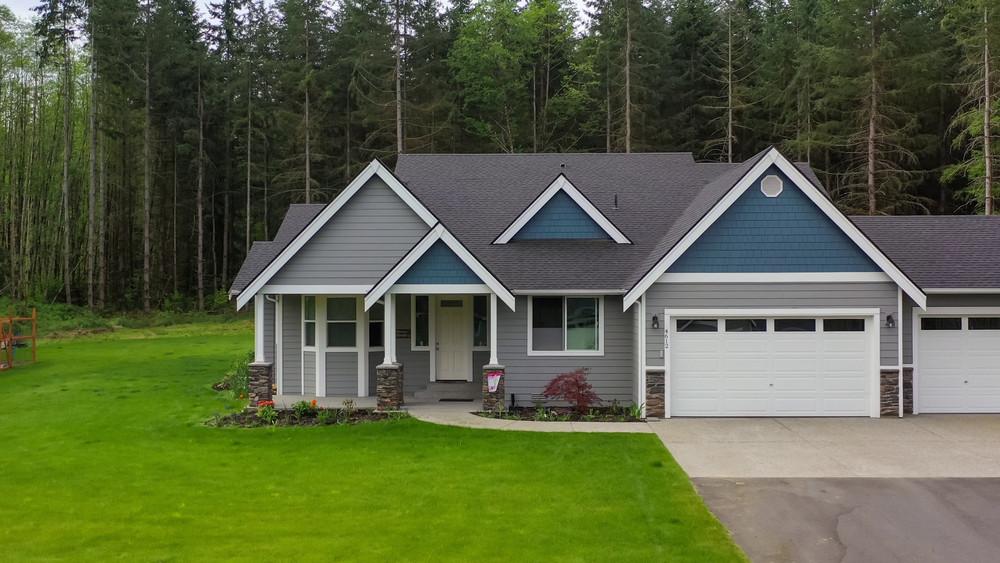
A garage door plays an important role in your home’s security, accessibility, and everyday functionality. Whether you use your garage to park vehicles, store household supplies, or enter your home after work, the door needs to accommodate your family’s routines. However, changing storage needs, household habits, and ongoing wear can make an existing garage door less practical over time. Recognizing the warning signs can help you determine when repairs may be sufficient or when a replacement deserves consideration. In this article, we’ll explore how to tell when your garage door no longer meets your household’s needs and what to consider when evaluating your options.
Your Storage Needs Have Changed
A garage often serves as more than a place to park the car. It may also hold gardening supplies, sporting goods, seasonal decorations, tools, and other household essentials. As your family grows or your hobbies change, the space may need to accommodate additional belongings.
According to Business Research Insights, about 78% of homeowners store tools and equipment in their garages. If your garage has become increasingly crowded, consider whether your current door allows you to make the best use of the available space. A door that opens smoothly and provides sufficient clearance can make it easier to move bulky items in and out.
If you’re upgrading storage systems or changing how you use the garage, review the door’s dimensions, opening mechanism, and available clearance. A different door style may better accommodate your storage plans, depending on the layout of your garage.
Getting In and Out Has Become Inconvenient
Your garage door should make entering and leaving your home straightforward. If the door is slow to open, frequently gets stuck, or requires repeated attempts with the remote, it may be interfering with your daily routine.
According to Garage Living, around 55% of homeowners use their garage as the main entryway into their homes. When your household relies on this entrance, even minor problems can become frustrating. A malfunctioning door may complicate grocery trips, school drop-offs, and busy mornings.
Pay attention to how reliably the door operates throughout the day. If it struggles to open fully, reverses unexpectedly, or makes unusual noises, arrange for a professional inspection. Some issues may be resolved through repairs, while recurring problems could indicate that the existing system is no longer suitable for your household.
Visible Damage Is Becoming Difficult to Ignore
Garage doors are exposed to changing weather, everyday use, and occasional impacts. Over time, these conditions can cause dents, cracks, rust, and other signs of deterioration. Beyond affecting your home’s appearance, significant damage may interfere with the door’s operation or compromise its ability to close securely.
According to HomeGuide, garage door replacement is typically recommended after 15 to 20 years or when issues such as dents, cracks, rust, or frequent malfunctions occur. Although age alone doesn’t automatically mean a door needs replacing, it provides a useful starting point when assessing its condition.
Inspect the door periodically, paying attention to its panels, edges, tracks, and overall movement. If you notice substantial damage or the door no longer closes properly, have a qualified technician assess whether repairs are practical or replacement would be the better long-term option.
Your Household Needs Better Security or Efficiency
Your family’s priorities may change even if your garage door still works. You might want improved security, quieter operation, better insulation, or a design that complements recent exterior renovations.
Consider whether the current door fits your expectations for comfort and convenience. If the garage connects directly to your living space, insulation and weather sealing may be particularly important. Gaps around the door can allow drafts and moisture to enter, while outdated locking features may not provide the level of security you prefer.
A replacement can offer an opportunity to address several concerns at once. Compare available materials, insulation levels, safety features, and operating systems before deciding which options best suit your home.
Knowing when your garage door no longer meets your household’s needs starts with evaluating how you use the space, how reliably the door operates, and whether its condition supports your expectations. Changing storage requirements, daily access problems, visible deterioration, and concerns about security or efficiency can all signal that it’s time to reassess your setup. By addressing these signs early and consulting a qualified professional, you can determine whether targeted repairs or a new garage door will provide the most practical solution for your home.