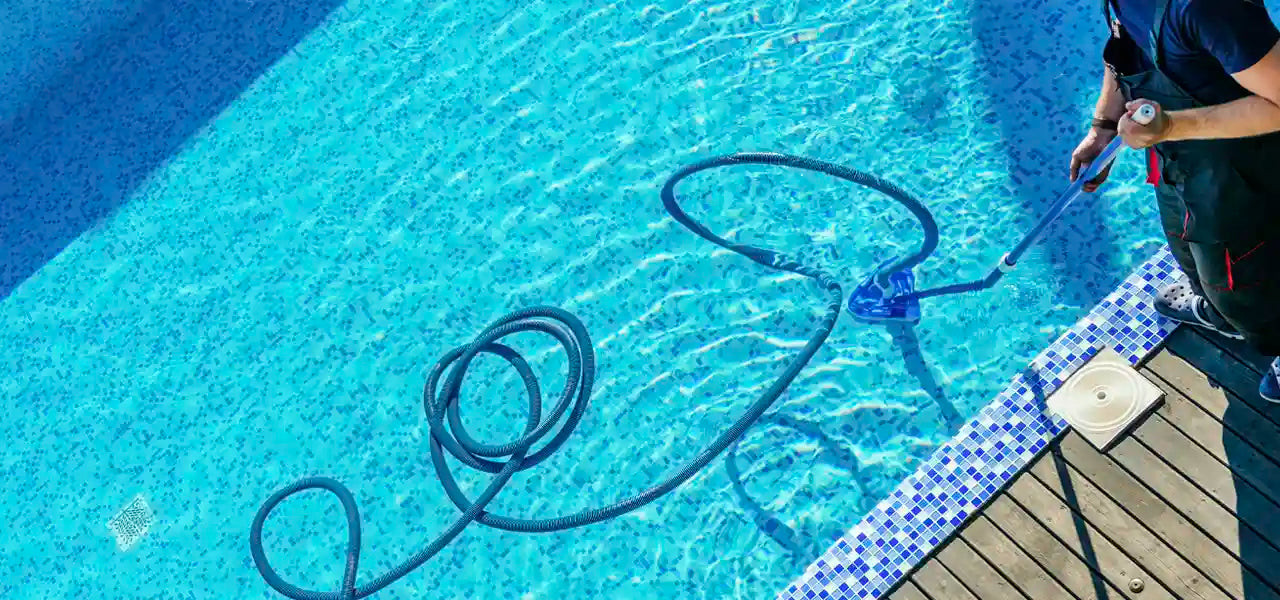
If you’ve ever spent a weekend afternoon hunched over a telescoping pole, manually pushing a vacuum head across the bottom of your pool, you know the frustration all too well. Traditional pool cleaning methods demand hours of physical labor, often leave behind stubborn dirt in hard-to-reach corners, and rarely deliver the sparkling results you’re hoping for. Algae buildup, fine sediment, and debris seem to return almost as quickly as you can remove them.
An electric vacuum cleaner for pools changes this equation entirely. These modern devices combine powerful suction with smart technology to deliver a deep, thorough clean with minimal effort on your part. Whether you own a small above-ground setup or a large in-ground pool, an electric pool vacuum can transform maintenance from a dreaded chore into a simple, streamlined task. This guide walks you through everything you need to know—from understanding what these cleaners are and how to select the right one, to executing a complete deep clean and maintaining your equipment for years of reliable performance. Let’s dive into the process of achieving a consistently pristine pool.
What is an Electric Vacuum Cleaner for Pools?
An electric vacuum cleaner for pools is a self-contained device powered by electricity that autonomously or semi-autonomously removes dirt, debris, algae, and fine sediment from pool surfaces. Unlike manual vacuuming—where you physically guide a vacuum head connected to your pool’s filtration system—an electric pool vacuum operates independently with its own motor, pump, and filtration mechanism. This means it doesn’t strain your existing pool equipment or require constant hands-on effort.
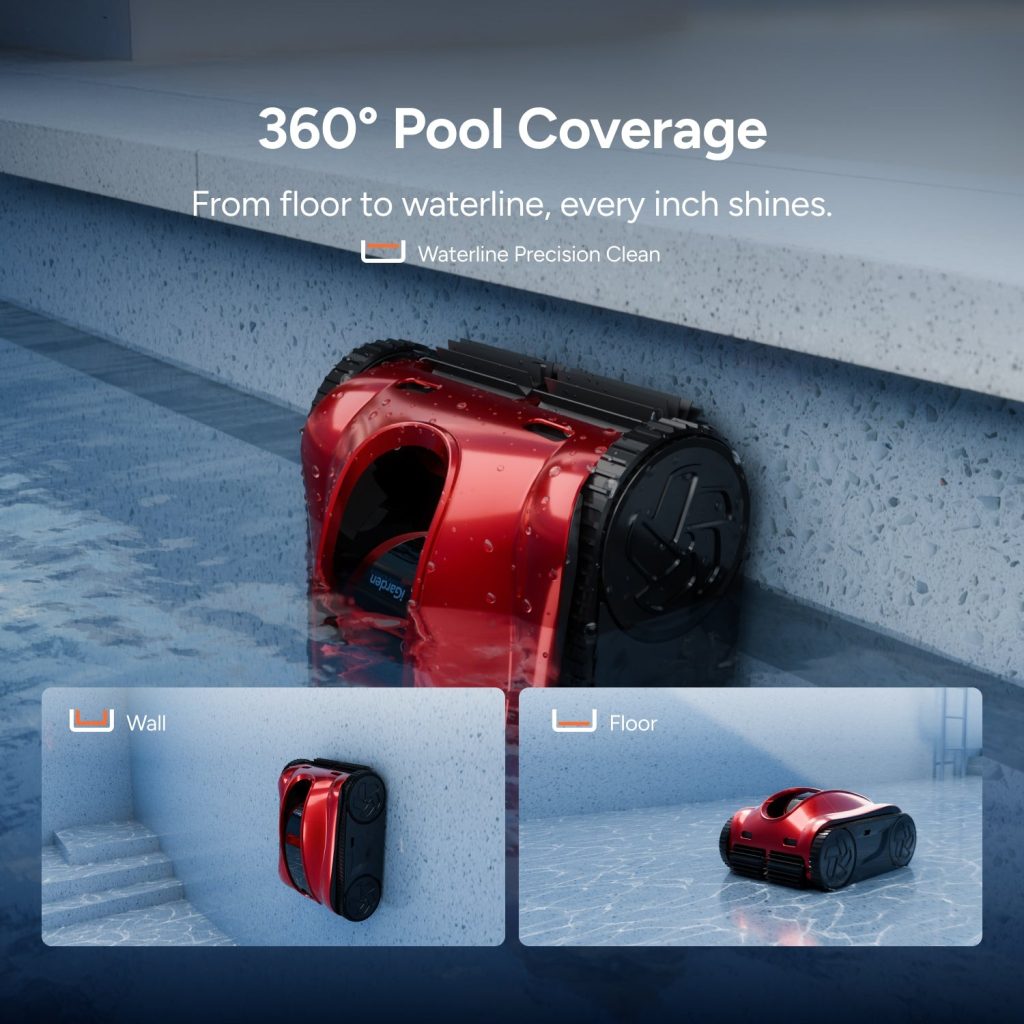
These cleaners come in two primary configurations: corded models that plug into a power outlet and draw continuous electricity during operation, and cordless pool cleaners that run on rechargeable batteries for untethered movement. Both types share core components including a suction motor, an internal filter cartridge or bag, rotating brushes for scrubbing surfaces, and drive mechanisms (usually wheels or tracks) that propel the unit across the pool floor, walls, and waterline.
The basic operation is straightforward. Once placed in the water and activated, the cleaner moves along pool surfaces, agitating stuck-on grime with its brushes while simultaneously suctioning loosened particles into its onboard filtration chamber. Many modern units feature intelligent navigation systems that map the pool’s shape and calculate efficient cleaning paths, ensuring no area gets overlooked. The result is a comprehensive clean that captures everything from leaves and pebbles to microscopic particles that cloud your water.
Key Benefits of Using an Electric Pool Cleaner
The most immediate advantage of an electric pool cleaner is the time you reclaim. What once took two or three hours of manual labor now happens in sixty to ninety minutes while you handle other tasks—or simply relax. These devices work independently, scrubbing and suctioning every surface without requiring you to guide them stroke by stroke. The physical toll of traditional vacuuming disappears entirely.
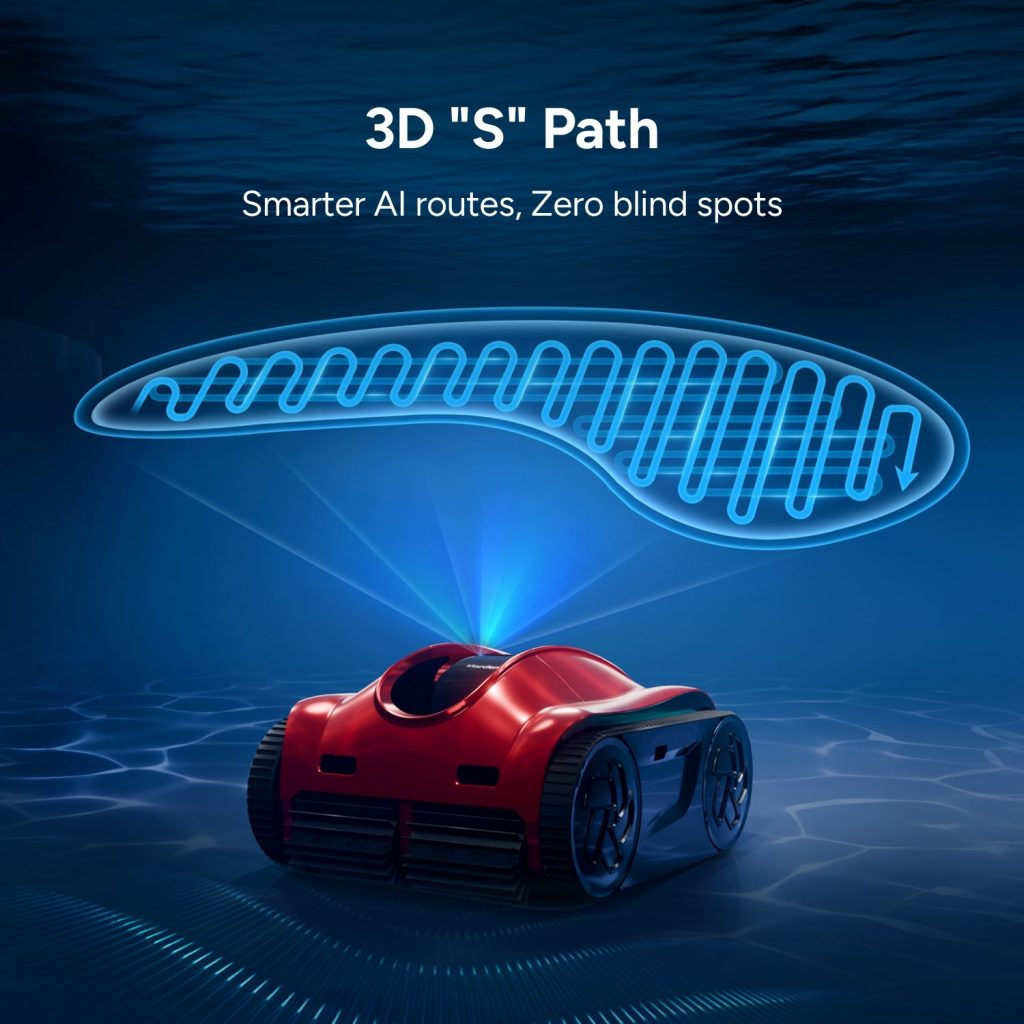
Beyond convenience, electric pool vacuums deliver a level of cleanliness that’s difficult to achieve by hand. Activating a deep clean mode intensifies suction power and brush speed, targeting fine sediment, biofilm, and early-stage algae that manual methods typically miss. This thorough approach means your water stays clearer longer, reducing the need for excessive chemical treatments. Intelligent navigation ensures the cleaner follows calculated paths rather than random movements, covering the entire pool floor, walls, and waterline without redundant passes or neglected zones.
Cordless models add another layer of practicality—no tangled cords, no proximity requirements to electrical outlets, and easy deployment in pools of any configuration. From a financial perspective, electric pool cleaners reduce wear on your main filtration system since they capture debris in their own onboard filters. They also cut down on chemical usage and professional cleaning service calls, making them a genuinely affordable investment that pays for itself over a few seasons of consistent use.
How to Choose the Right Electric Pool Cleaner for Your Needs
Selecting the right electric pool cleaner requires matching the device’s capabilities to your specific situation. Not every cleaner suits every pool, and understanding the key differentiators helps you avoid costly mismatches. The decision comes down to three main areas: your pool’s physical characteristics, the features that matter most for your cleaning challenges, and how much you’re willing to invest upfront versus what you’ll save over time.
Considering Pool Type, Size, and Budget
Start with the basics of your pool. In-ground pools with complex shapes, varying depths, and mixed surface materials (tile, plaster, fiberglass) demand cleaners with stronger drive systems and adaptive brush types that won’t scratch delicate finishes. Above-ground pools, typically smaller with vinyl liners, need lighter units with gentler brushes that still deliver adequate suction. Measure your pool’s total surface area—a cleaner rated for a 30-foot pool will underperform in a 50-foot one, running out of battery or taking multiple cycles to finish. Consider affordability not just as the purchase price but as total cost of ownership. A slightly more expensive model with durable filters and efficient energy consumption often costs less per clean over its lifespan than a budget unit requiring frequent replacement parts. Match your expectations to reality: if your pool collects heavy leaf litter from surrounding trees, prioritize large debris capacity over ultra-fine filtration.
Evaluating Features: Cordless Options and Intelligent Navigation
Cordless pool cleaners offer unmatched flexibility—no cord management, no restrictions on pool distance from outlets, and simple deployment that takes seconds. The tradeoff is runtime; battery-powered models typically operate for one to three hours per charge, which works perfectly for small to mid-sized pools but may require multiple sessions for larger ones. Corded models run indefinitely and often deliver slightly stronger sustained suction, making them better suited for heavy-duty deep cleaning in larger pools. Intelligent navigation is where modern electric cleaners truly separate themselves from older random-pattern models. Units equipped with gyroscopes, sensors, or mapping algorithms calculate systematic cleaning paths that cover every square inch of your pool without redundant overlap. This means faster cycle times, better energy efficiency, and no missed corners or dead zones along walls. Smart home brands like iGarden have been advancing this type of intelligent navigation technology, making it increasingly accessible for everyday pool owners. When evaluating models, look for cleaners that combine deep clean mode with intelligent navigation—this pairing ensures the device not only reaches every surface but applies maximum cleaning intensity where buildup is worst.
Step-by-Step Guide to Deep Clean Your Pool with an Electric Vacuum
Deep cleaning your pool with an electric vacuum cleaner isn’t complicated, but following a deliberate process ensures you get the best possible results from your equipment. The difference between a mediocre clean and a truly thorough one often comes down to preparation and knowing how to leverage your cleaner’s advanced features effectively.
Preparing Your Pool and Electric Vacuum Cleaner
Before dropping your electric vacuum into the water, spend fifteen minutes on preparation that dramatically improves results. First, test and balance your pool chemistry—pH between 7.2 and 7.6 and proper sanitizer levels help loosen biofilm and prevent algae from clinging stubbornly to surfaces during cleaning. Next, skim the surface and remove any large debris like branches, leaves, or toys that could clog the cleaner’s intake or obstruct its path. Check your vacuum’s filter cartridge and empty or replace it if needed; a clogged filter reduces suction power significantly before the cycle even begins. Inspect the brushes for wear—flattened or missing bristles won’t agitate stuck-on grime effectively. Finally, if you’re using a cordless pool cleaner, confirm the battery is fully charged to avoid mid-cycle shutdowns that leave portions of your pool untouched.
Operating the Deep Clean Mode for Thorough Cleaning
Once your pool and equipment are prepped, lower the cleaner into the water at a slight angle to release trapped air from inside the unit—air pockets reduce suction efficiency and can cause the device to float rather than grip surfaces. Power on the unit and select deep clean mode, which increases brush rotation speed and suction intensity beyond standard operation. This enhanced setting is specifically designed to lift fine sediment, early algae growth, and the biofilm layer that makes pool surfaces feel slippery. Position the cleaner at the deepest point of your pool when possible, allowing it to work upward toward shallower areas where debris naturally settles less densely. If your pool has visible algae patches or heavy sediment accumulation in specific zones, some models allow you to manually place the unit directly on problem areas before engaging deep clean mode for targeted treatment.
Ensuring Complete Coverage with Intelligent Navigation
Intelligent navigation transforms your electric vacuum from a random wanderer into a systematic cleaning machine. After activation, give the unit two to three minutes to scan and map your pool’s dimensions—during this initial phase, it identifies walls, steps, slopes, and obstacles. Avoid interrupting this mapping process by removing pool accessories or floating objects that might confuse the sensors. Once mapping completes, the cleaner follows calculated parallel paths that overlap slightly at edges, ensuring no strip of floor or wall goes untouched. To maximize this feature, keep the water surface calm during operation since waves can interfere with some navigation sensors. After the cycle completes, check the app or indicator lights if your model provides coverage reports—these show whether any areas were missed and whether a second pass is warranted. For irregularly shaped pools with alcoves or built-in features like swim-outs, running a second targeted cycle in those specific zones guarantees nothing gets overlooked.
Maintaining Your Electric Pool Vacuum for Longevity and Efficiency
Proper post-cleaning maintenance takes only a few minutes but significantly extends your electric vacuum’s lifespan and keeps it performing at peak efficiency. After every cleaning cycle, remove the filter cartridge and rinse it thoroughly under running water to flush out trapped sediment, oils, and fine particles. Allow the filter to dry completely before reinstalling it—storing a damp filter promotes mold growth and degrades the filtration media faster. Inspect the brushes and drive tracks or wheels for tangled hair, string, or debris that could strain the motor during future cycles. Wipe down the unit’s exterior and check the intake port for lodged pebbles or leaves that restrict suction.
Storage matters more than most owners realize. Keep your electric pool vacuum in a cool, shaded area away from direct sunlight, which degrades plastic housings and rubber seals over time. For cordless pool cleaners, store the battery at a partial charge (around 50-60%) if you won’t use the unit for several weeks—this preserves battery health far better than leaving it fully charged or completely drained. Every few months, test the intelligent navigation system by running the cleaner in a clear pool and observing its path for erratic movements or repeated collisions that suggest sensor fouling. Clean optical sensors with a soft cloth and check for firmware updates if your model supports them. Replace filter cartridges and brush rolls according to the manufacturer’s schedule rather than waiting for visible deterioration—by the time performance drops noticeably, you’ve already been getting subpar cleans for weeks. These simple habits keep your investment affordable over the long run by preventing premature part failures and maintaining the thorough cleaning performance you expect.
Achieve a Sparkling Pool with Less Effort and Smarter Technology
A clean, inviting pool doesn’t have to come at the cost of your weekends or your energy. Electric vacuum cleaners for pools have fundamentally changed what’s possible for homeowners who want professional-level results without the professional price tag or the backbreaking manual effort. By understanding how these devices work—leveraging deep clean mode for stubborn sediment and algae, and intelligent navigation for systematic, complete coverage—you can maintain water clarity and surface cleanliness that was previously difficult to achieve on your own.
Choosing the right cleaner starts with honest assessment of your pool’s size, shape, and surface material, then matching those needs to the appropriate features, whether that’s a cordless pool cleaner for flexible deployment or a corded model for extended heavy-duty sessions. The deep cleaning process itself is straightforward when you prepare properly: balance your chemistry, prep your equipment, and let the technology do what it’s designed to do. Consistent post-use maintenance—rinsing filters, inspecting brushes, storing correctly—keeps your investment performing reliably season after season. Put this knowledge into practice, and you’ll spend less time cleaning your pool and more time actually enjoying it.