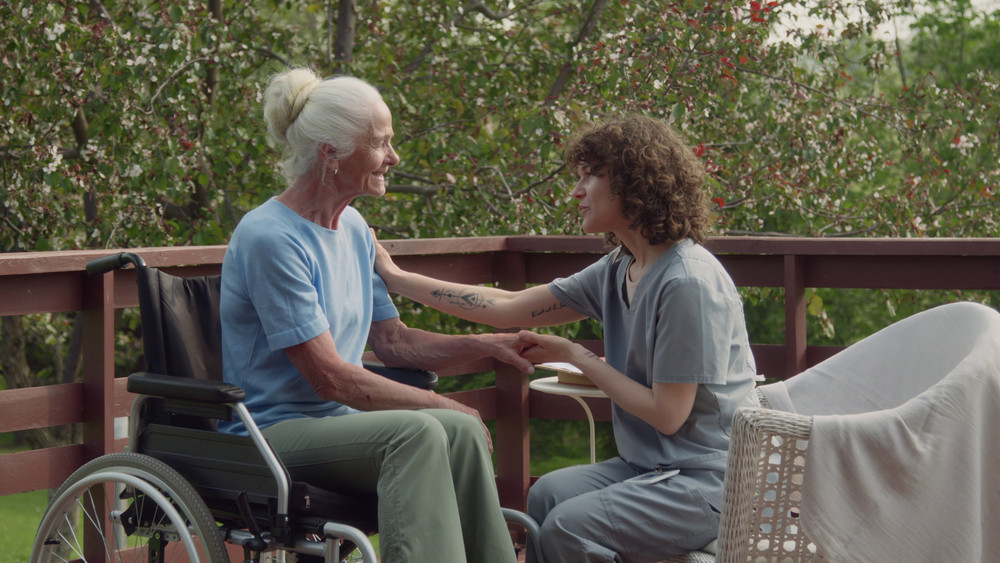
For generations, getting medical care meant going somewhere else, whether that was a doctor’s office, a hospital, or a nursing facility. That picture is changing quickly. More patients and families are choosing to receive care in the comfort of their own homes, and the industry built around that choice is expanding to meet the demand. Here’s a closer look at what’s driving the shift and why home healthcare has become such an important part of the American medical landscape.
Millions of Americans Already Depend on It
Home healthcare is no longer a niche service. Data from WifiTalents shows that roughly 12 million people in the United States receive care at home every year. That care takes many forms, including skilled nursing, physical and occupational therapy, wound care, medication management, and help with daily tasks such as bathing, dressing, and preparing meals.
Patients come from all walks of life. Some are older adults managing chronic conditions like diabetes or heart disease. Others are recovering from surgery, an injury, or a hospital stay and need support for a few weeks before they’re fully back on their feet. For many, having a nurse or aide come to the house makes it possible to stay independent much longer than they otherwise could.
Why Patients Prefer Familiar Surroundings
There’s a reason so many people would rather recover at home. Familiar surroundings tend to reduce stress and anxiety, and patients often sleep better, eat better, and feel more in control of their routines. Family members can stay closely involved without long drives or limited visiting hours.
Home care can also lower certain risks. Patients avoid exposure to infections that spread in hospitals and other group settings, and one-on-one attention allows caregivers to notice small changes in a person’s health before they turn into bigger problems. For families, home care is frequently more affordable than an extended stay in a facility, especially for long-term needs.
Comfort and Dignity at the End of Life
Home has also become the preferred setting for one of life’s most personal stages. According to a 2024 analysis from HealthCare Appraisers, Routine Home Care makes up 98% of all hospice care days for patients who choose to spend their final days at home. That figure highlights just how central home-based hospice has become to end-of-life care across the country.
Hospice teams typically include nurses, aides, social workers, and chaplains who focus on comfort rather than cure. They manage pain and symptoms, provide emotional and spiritual support, and help families prepare for what lies ahead. Being surrounded by loved ones, personal belongings, and familiar routines can bring a sense of peace that’s hard to find anywhere else.
A Market Poised for Major Growth
As demand rises, the business side of home healthcare is expanding rapidly. Towards Healthcare projects that the home healthcare market will climb from $226 billion in 2025 to over $476 billion by 2034, more than doubling in less than a decade.
Several factors are fueling that growth. The population is aging, and many older adults want to stay in their homes as long as possible. Advances in medical technology, including remote monitoring devices and telehealth visits, make it easier to deliver high-quality care outside a clinical setting. Insurers and health systems are also recognizing that home care can reduce hospital readmissions and overall costs.
Choosing the Right Provider
With so many agencies entering the field, families should take time to compare their options. Start by confirming that a provider is licensed and, where applicable, certified by Medicare. Ask about caregiver training, background checks, and how the agency handles scheduling changes or emergencies.
It also helps to meet with a care coordinator to discuss the patient’s specific needs and goals. A good provider will create a personalized care plan, communicate regularly with family members, and adjust services as the patient’s condition changes. Reading reviews and asking a doctor or hospital discharge planner for recommendations can also point you in the right direction.
Care That Feels Like Home
Home healthcare blends medical expertise with the comfort and familiarity that only home can offer. Whether someone is recovering from surgery, managing a long-term illness, or seeking peace at the end of life, receiving care where they live can make a meaningful difference. As the industry continues to grow, more families will have access to support that keeps their loved ones safe, comfortable, and close by.