From Installation to Curing:
Your Asphalt Driveway Guide
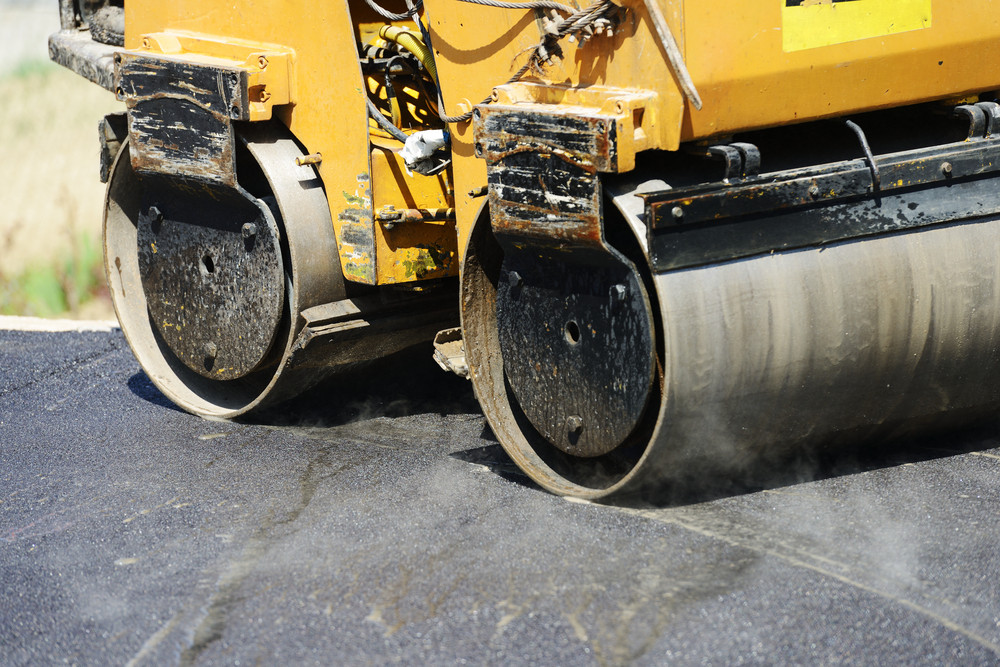
A new asphalt driveway can instantly refresh the look of your home and make everyday coming and going smoother and safer. But before the paving crew arrives, it helps to know what the process involves. How much material will your project need? How long will installation take, and when can you actually park on it? And once it’s finished, how long can you expect it to last? This guide walks you through each stage so you can plan and get the most from your new driveway.
Planning Your Materials
The amount of asphalt your driveway needs depends on a few key factors, mainly its size and how thick you want the finished surface to be. Longer, wider driveways naturally require more material, and a thicker surface adds durability for heavier vehicles but increases the amount needed.
To give you a sense of scale, BobVila.com reports that the average driveway typically needs between 7 and 15 tons of asphalt. Your contractor will calculate the exact amount after measuring your driveway and discussing how it will be used, such as whether you park SUVs, trucks, or recreational vehicles.
Material is only part of the equation. A strong, well-compacted gravel base underneath the asphalt is just as important as the surface itself. Ask your contractor how deep the base will be, what type of stone they’ll use, and how they plan to manage drainage. Good preparation helps prevent cracking, sinking, and potholes down the road.
Understanding the Installation Timeline
Paving a driveway isn’t a single-day job. The process usually includes removing the old surface, grading the area, installing and compacting the base, and then laying and rolling the asphalt. Weather can also affect scheduling, since asphalt needs dry conditions and suitable temperatures to be installed properly.
According to Forbes, homeowners should expect the installation to take about two to three days, followed by another two to three days for the materials to fully cure. During that curing period, the surface is still settling and hardening, so it’s important to give it time before putting it to regular use.
Plan for where you’ll park during installation and curing, and let family members and delivery drivers know the driveway will be off-limits. Keep children’s toys, bikes, and heavy objects off the new surface, and avoid sharp turns with your steering wheel once you do start driving on it, since fresh asphalt can scuff easily, especially in warm weather.
Making Your Driveway Last
Once your driveway has cured and is ready for everyday use, a little care goes a long way toward protecting your investment. According to The Spruce, asphalt driveway paving usually lasts 15 to 20 years.
To help your driveway reach the full end of that range, sealcoat it every few years to protect against sun, water, and oil stains. Fill small cracks as soon as you spot them to keep water from seeping underneath and causing larger damage. Keep gutters and downspouts directing water away from the surface, and clean up oil or gasoline spills promptly.
Avoid parking heavy equipment, dumpsters, or trailers in the same spot for long periods, and use a plastic shovel instead of a metal blade when clearing snow. These simple habits can prevent costly repairs and keep your driveway looking smooth and attractive for years.
Enjoying a Smooth Road Ahead
A new asphalt driveway is a practical upgrade that adds convenience and curb appeal to your home. By planning your materials, understanding the installation and curing timeline, and following a simple maintenance routine, you can enjoy a durable, attractive driveway for many years to come.