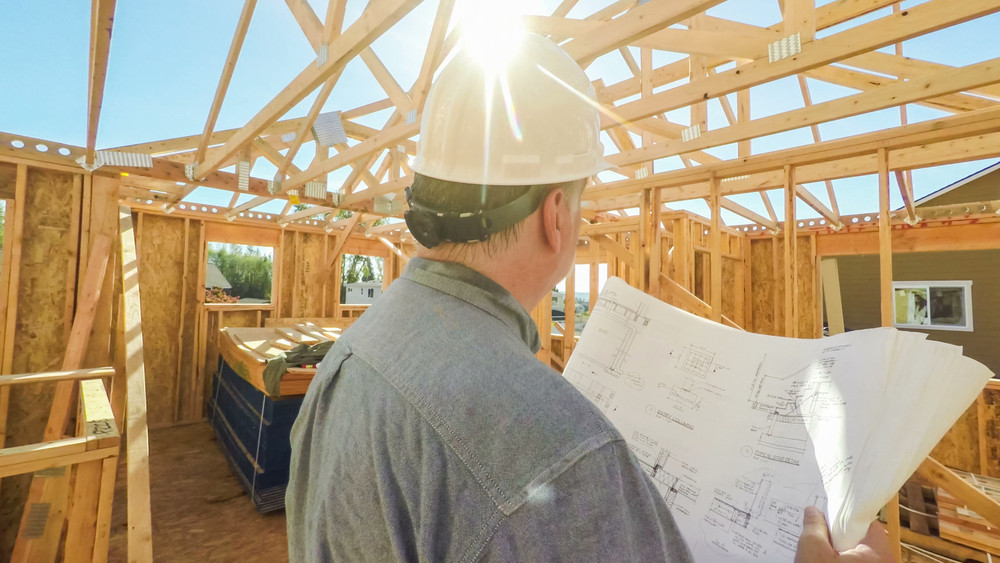
Building a new home is one of the most exciting projects a family can take on. It’s also one of the biggest investments you’ll ever make, and the choices you make along the way will affect how your home looks, how well it holds up, and what it’s worth down the road. From the siding on the outside to the floors underfoot, choosing the right materials helps you create a home that’s beautiful, durable, and valuable for years to come.
The Growing Appeal of Custom Homes
More buyers are skipping move-in-ready houses in favor of homes designed around their own needs. According to Hardware Retailing, custom homebuilding now makes up nearly 20% of all single-family housing starts. For many families, the chance to control the layout, finishes, and features is worth the extra planning.
Going custom lets you design for the way you actually live. You might want a home office with plenty of natural light, a mudroom near the garage, a kitchen built for entertaining, or a main-floor primary suite that makes aging in place easier. Instead of compromising on someone else’s floor plan, you get to decide what matters most.
That freedom also means more decisions. Work closely with your builder and designer to set priorities early, and leave room in your budget for upgrades that add lasting value. Materials that look great on day one but wear out quickly can end up costing more over time, so durability should be part of every choice.
Choosing the Right Siding
Your home’s exterior is its first line of defense against the weather, and it’s also the first thing visitors notice. Siding needs to stand up to rain, wind, snow, and sun while still looking good for decades. Popular options include vinyl, fiber cement, wood, brick, and stone, each with its own costs and maintenance needs.
In many parts of the country, vinyl remains the go-to choice. Data from the National Association of Home Builders shows that vinyl siding was used on 74% of new homes started in the Middle Atlantic region, 71% in New England, 68% in the East North Central region, and 49% in the West North Central region. Its affordability, low maintenance, and wide range of colors and styles make it a practical fit for many builds.
When selecting siding, consider your local climate, the architectural style of your home, and how much upkeep you’re willing to do. Insulated vinyl can boost energy efficiency, fiber cement offers strong fire resistance, and natural wood delivers classic charm but needs regular painting or staining. Combining materials, such as stone accents with vinyl or fiber cement, can add character to the exterior.
Investing in Hardwood Floors
Inside the home, few materials offer the timeless appeal of hardwood flooring. It brings warmth and character to any room, pairs well with both traditional and modern decor, and can be refinished multiple times over its lifespan to look new again.
Hardwood is also a smart financial choice. HomeAdvisor notes that hardwood floors are nearly always a worthwhile investment, since new planks immediately improve a room’s look and can raise a home’s resale value by as much as 118%. Buyers often see hardwood as a premium feature, which can help a home stand out when it’s time to sell.
Choose a species and finish that suit your lifestyle. Harder woods like oak, maple, and hickory resist dents and scratches better than softer varieties, making them a good fit for busy households with kids or pets. Engineered hardwood is another option for basements or areas with higher humidity, since it’s more stable than solid wood.
Building for the Long Run
The materials you choose today will shape your home for decades. By taking advantage of custom design, selecting durable siding suited to your region, and investing in quality flooring, you can build a dream home that’s comfortable to live in and holds its value well into the future.