Education isn’t a one-size-fits-all endeavor. Long before individuals enter the workforce, their foundational experiences in the classroom shape how they process information, solve problems, and approach challenges. The distinct ways children absorb knowledge—whether through movement, practical application, or structured technical training—lay the groundwork for their future professional achievements. Understanding how early learning styles transition into career success reveals that academic development is about far more than just taking exams; it’s about cultivating lifelong skills that match an individual’s natural strengths and preparing them for the demands of a modern, diverse labor market.
The Power of Kinetic and Experiential Learning
For many students, sitting at a desk for hours isn’t the most effective way to grasp complex concepts. Kinesthetic learners thrive when movement and physical engagement are integrated into their daily educational routine. Incorporating physical movement into the school day does more than just expend excess energy; it actively enhances cognitive functions and analytical thinking skills. According to research from the National Institutes of Health / PubMed, incorporating physical activity into the school day can boost kids’ academic outcomes, showing a notably strong positive impact on math skills. This early connection between active learning and problem-solving demonstrates how dynamic instructional methods can foster the analytical mindset needed for future quantitative and technical careers.
Applied Mechanics and the Trades
As tactile learners mature, their preference for hands-on engagement often leads them toward skilled trades that require spatial awareness, manual dexterity, and practical problem-solving. Trade careers offer a direct continuation of experiential learning, bridging the gap between classroom theory and real-world application through structured, immersive environments. According to data provided by the U.S. Bureau of Labor Statistics, the majority of pipefitters, plumbers, and steamfitters master their craft via apprenticeship programs that last between 4 and 5 years. These comprehensive programs allow individuals to refine their abilities through direct mentorship and real-world execution, proving that tactile learning styles can develop into highly sustainable, well-compensated careers in essential industries.
Bridging Spatial Aptitude and Digital Innovation
The cognitive traits that foster success in physical trades often translate into modern digital disciplines as well. Spatial learners—students who grasp concepts best through visual mapping, 3D modeling, and interactive diagrams—frequently transition into high-growth fields like computer-aided design (CAD), robotics, and digital architecture. When early education encourages spatial reasoning alongside traditional coursework, students develop an intuitive grasp of how individual components form cohesive systems. This ability to visualize spatial relationships proves invaluable when troubleshooting complex software pipelines or engineering physical prototypes, illustrating that early visual-spatial preferences serve as a foundation for advanced technological roles.
Technical Training and Focused Pathways
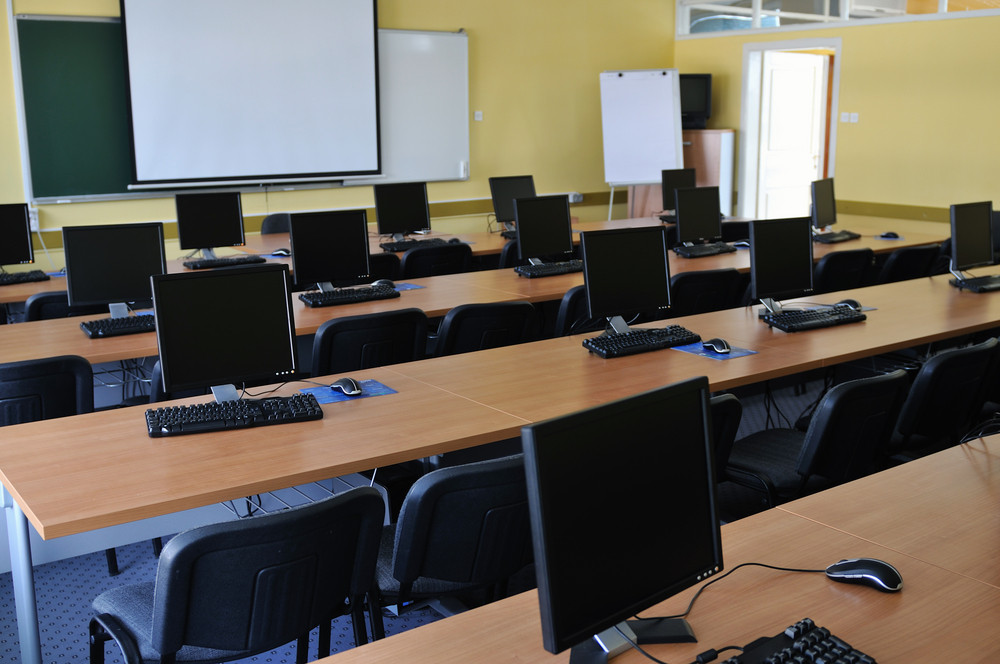
Not every career journey requires a traditional four-year university degree. Visual and analytical learners often excel in targeted, technical environments where focused instruction leads directly to specialized employment. For students who prefer structured, applied education over broad academic theory, specialized technical programs offer an efficient route into dynamic industries like health care, electronics, and automotive technology. According to figures from the U.S. Bureau of Labor Statistics, future technicians generally prepare for their careers by enrolling in postsecondary training at trade schools or community colleges, with programs lasting from 6 months to 2 years. These focused academic tracks empower students to turn specific learning preferences into valuable, specialized skill sets.
The Role of Adaptive Pedagogy in Modern Workforce Planning
Recognizing varied educational preferences is no longer just a pedagogical ideal; it has become an economic necessity. Employers across engineering, technology, and skilled trades increasingly seek candidates with specialized problem-solving styles rather than standardized academic backgrounds. By implementing adaptive learning frameworks early in school curricula—such as project-based modules, outdoor experiential tasks, and interactive technical simulations—educators help students identify their cognitive strengths before making pivotal career decisions. This early alignment between learning preference and career path reduces workforce mismatch, decreases higher education attrition rates, and fosters higher long-term job satisfaction.
Recognizing and supporting diverse learning styles in early childhood education creates a clearer path toward long-term professional fulfillment. When educators and parents align teaching methods with a child’s natural strengths—whether through active movement, vocational practice, or targeted technical studies—they set the stage for lifelong achievement. Every educational path offers distinct advantages, and honoring these differences ensures that future workers enter the job market with confidence and competence. Ultimately, bridging the gap between classroom learning and career success depends on celebrating how each student learns best, transforming early potential into a lifetime of meaningful accomplishments and sustained professional success.