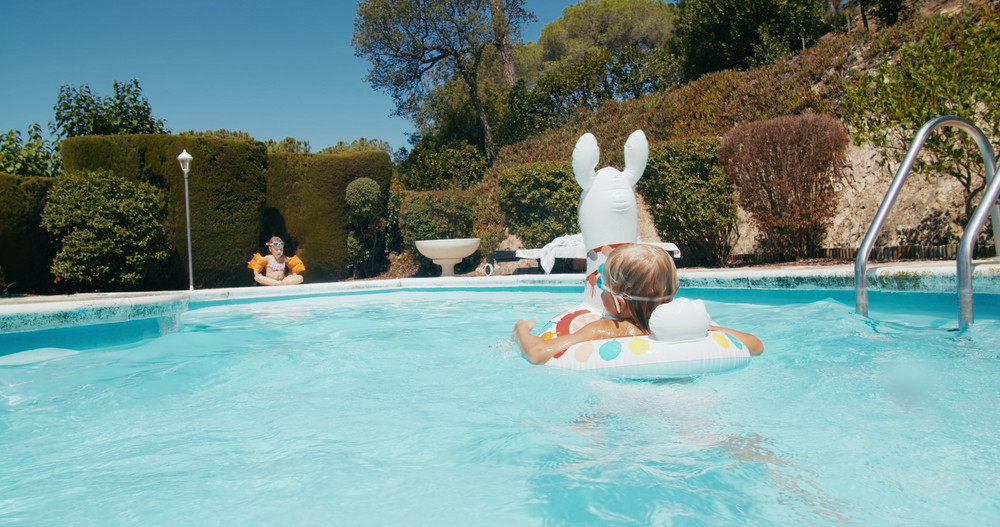
A swimming pool can look inviting on the surface while still needing attention beneath the waterline. Routine maintenance helps keep the water clear, the surrounding surfaces in good condition, and the entire pool more enjoyable to use. From cleaning the water to checking equipment and monitoring the condition of pool tiles, paying attention to small warning signs can help homeowners address problems before they become larger maintenance projects.
Cloudy or Discolored Water
Clear water is one of the easiest ways to judge whether a pool is receiving the maintenance it needs. If the water appears cloudy, greenish, or otherwise discolored, it may indicate an imbalance or buildup that requires attention. Debris, microorganisms, and improper chemical levels can all affect water quality.
According to The Spruce, homeowners should clean and test their pools and backwash the filtration system at least once every two weeks to help keep algae under control. Maintaining a regular schedule can make it easier to catch changes in water quality before they become more difficult to manage.
Homeowners should also pay attention to how quickly the water becomes cloudy after cleaning. If the problem returns frequently, the pool may need a closer inspection of its filtration, circulation, or chemical management.
Debris Keeps Building Up
Leaves, grass, dirt, and other debris naturally find their way into outdoor pools. While occasional debris is expected, a pool that consistently has visible buildup may need more frequent cleaning. Organic material left in the water can affect water quality and contribute to other maintenance concerns.
Skimming the surface can remove floating debris, but it does not address particles that settle along the bottom. According to Bob Vila, pools should generally be vacuumed approximately once a week. Regular vacuuming helps remove debris that cannot be collected with a skimmer and can keep the pool floor looking cleaner.
The right maintenance frequency can vary depending on the surrounding landscape, weather, pool usage, and other factors. Pools located beneath trees, for example, may collect leaves more quickly than pools in open areas. Adjusting the cleaning routine to match those conditions can help keep maintenance manageable.
Your Pool Tiles Look Worn
Pool tiles do more than contribute to the appearance of a swimming pool. They also form part of the pool’s finished surface and can show signs of wear over time. Cracks, chips, discoloration, missing pieces, or buildup along the tile line may indicate that the surface needs professional attention.
According to HomeAdvisor, pool tiles can have a lifespan of roughly 10 to 20 years, depending on factors such as the type of tile, installation quality, and ongoing maintenance. That range means homeowners should consider more than the age of their tiles when deciding whether they need attention.
Regular cleaning can help maintain the appearance of pool tiles, but it is also important to watch for physical damage. Addressing cracked or loose tiles sooner may help prevent additional pieces from becoming damaged and can make repairs easier to manage.
Your Pool Equipment Needs Attention
A clean pool depends on more than what homeowners can see in the water. Pumps, filters, drains, and circulation equipment all contribute to maintaining appropriate water quality. If equipment begins making unusual noises, running longer than usual, or struggling to keep the water clear, it may be time for an inspection.
The filtration system is particularly important because it helps remove particles from circulating water. Homeowners should check filters according to the manufacturer’s recommendations and watch for changes in water flow or pressure.
Regularly inspecting visible equipment can also help identify problems early. A small leak, damaged component, or unusual sound may be easier and less expensive to address than a failure that occurs in the middle of swimming season.
Your Maintenance Routine Has Become Inconsistent
Even a pool that currently looks clean can benefit from a consistent maintenance schedule. Skipping routine cleaning, testing, or equipment checks can allow minor problems to develop unnoticed. A simple schedule can make pool care less overwhelming while helping homeowners stay ahead of common issues.
A basic routine might include checking water chemistry, removing surface debris, inspecting equipment, brushing pool surfaces, and vacuuming the pool. Seasonal maintenance may also require additional preparation depending on the climate and pool type.
Homeowners should also keep track of repairs and larger maintenance projects. Recording when equipment was serviced or surfaces were repaired can make it easier to identify recurring issues and plan for future work.
Keep Your Pool Ready for the Season
A well-maintained pool is easier to enjoy when homeowners stay ahead of cleaning and repair needs. Cloudy water, persistent debris, worn tiles, equipment problems, and an inconsistent maintenance routine can all signal that it is time to take a closer look at the pool.
Regular care does not necessarily mean spending hours on maintenance every week. Instead, consistent cleaning, testing, equipment checks, and timely repairs can help protect the pool and make problems easier to manage. By paying attention to changes in water quality and the condition of pool surfaces and equipment, homeowners can keep their backyard pool cleaner, more comfortable, and ready for use.