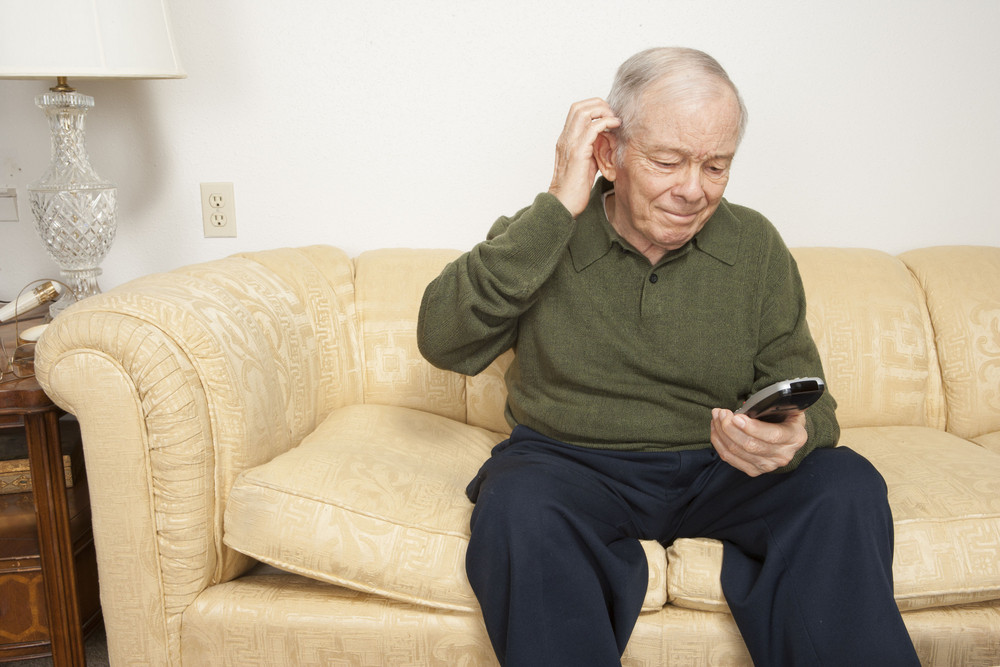
When a loved one moves into a nursing home, families may want reassurance that they are receiving appropriate care. Technology can provide another way to stay connected and monitor a resident’s well-being, but installing a camera in a nursing home room involves more than simply choosing a device. Families should consider privacy, consent, facility policies, and how monitoring fits into the resident’s overall care.
Understanding Nursing Home Camera Rules
Before installing a camera, families should determine whether state law and the nursing home’s policies permit electronic monitoring. Laws can vary significantly, so what is permitted in one state may not be allowed under the same conditions elsewhere. Families should also consider whether the resident has the ability to consent and whether a roommate could be captured by the device.
According to Virginia law, nursing home residents can use electronic monitoring devices in their rooms when the resident or their legal representative provides consent. If the resident has a roommate, the roommate or their legal representative must also give written consent to visual recording.
These requirements highlight an important consideration: monitoring a loved one also potentially affects other people. A camera may capture visitors, roommates, and caregivers, making it important to understand applicable privacy requirements before installation. Families should review the relevant state law and facility policies and discuss any questions with an attorney when necessary.
Weighing Safety Against Privacy
The primary reason families consider nursing home cameras is usually safety. If a family member cannot be present throughout the day, monitoring may provide additional information about what is happening in a resident’s room. It could potentially help families identify concerning situations, changes in a loved one’s condition, or questions that should be discussed with facility staff.
However, monitoring also creates privacy concerns. A resident’s room is still a personal space, and there may be times when the resident expects privacy. Audio recording can raise additional concerns because conversations may be captured unintentionally. Families should therefore think carefully about whether they need video, audio, or both and where a device should be positioned.
The goal should not necessarily be constant surveillance. Instead, families can consider how monitoring could support their involvement in a loved one’s care while respecting the resident’s dignity and the privacy of others. Talking with the resident, facility staff, and other affected individuals can help establish appropriate expectations.
Considering Other Security Technology
Cameras are only one type of technology that can contribute to safety and peace of mind. Depending on the facility and situation, access control systems may also play a role in protecting residents by helping manage who can enter certain areas and how emergencies are handled.
According to This Old House, modern access control systems can provide added peace of mind through capabilities such as around-the-clock monitoring, emergency notifications, and advanced equipment.
For families, this illustrates why it can be helpful to look beyond a single camera when thinking about a loved one’s safety. A nursing home may already have security measures designed to protect residents and control access to the building or specific areas. Families can ask facility administrators what systems are in place and how they contribute to resident safety.
Why Security Is a Priority
Security concerns extend beyond nursing homes. Communities and other residential environments are also increasingly focused on controlling access and protecting the people who live there. This broader emphasis demonstrates how security technology has become an important part of maintaining safe environments.
According to the Community Associations Institute, 73% of community association board members and managers identified security and access control as major operational priorities for their communities.
Although a community association and a nursing home serve very different purposes, the statistic demonstrates the broader importance placed on security and controlled access. For families evaluating elder care, asking questions about a facility’s security procedures can be just as useful as understanding its approach to medical care, staffing, and daily activities.
Making an Informed Decision
Installing a camera in a loved one’s nursing home room can be a significant decision. Families should begin by determining whether monitoring is legally permitted, what consent is required, and whether the facility has additional rules governing cameras or recording devices.
They should also discuss the decision with the resident whenever possible. The resident’s preferences should remain central to the conversation, particularly because monitoring can affect privacy and dignity. If a roommate is involved, that person’s rights and consent requirements must also be considered.
Finally, families should remember that technology should complement—not replace—personal involvement. Regular visits, communication with caregivers, and conversations with facility administrators remain important ways to stay informed about a loved one’s care.
Nursing home monitoring technology can offer families another way to stay connected with and support an aging loved one, but it comes with legal, practical, and privacy considerations. Understanding state requirements, facility policies, consent rules, and available security measures can help families make a thoughtful decision that balances safety with dignity and privacy.