Your home’s exterior and walkways face the elements every day. Dirt, pollen, algae, mildew, mud, and other buildup can gradually make clean surfaces look dull and neglected. Pressure washing can help restore the appearance of these areas, but many homeowners wonder how often they should schedule this type of cleaning.
The right frequency depends on the surface, local conditions, foot traffic, and how quickly buildup returns. While some areas may need attention annually, others may stay clean for much longer. Understanding how often to pressure wash your home and walkways can help you maintain your property without overcleaning or potentially damaging exterior surfaces.
How Often Should You Pressure Wash Your Home?
For many homeowners, pressure washing the exterior once a year can be a practical starting point. However, there is no universal schedule that works for every property. Homes located in humid environments, wooded areas, or places with frequent rain may develop algae, mildew, and other organic buildup more quickly than homes in drier conditions.
You may also want to consider pressure washing your home when visible dirt and stains begin to accumulate. Green or black discoloration, streaks, and areas of heavy grime can make siding, brick, stucco, and other exterior surfaces look older than they are. Cleaning these surfaces can improve your home’s curb appeal and help you spot maintenance concerns that may otherwise go unnoticed.
The size of your home also affects how much time the project takes. According to Bob Vila, pressure washing a house may take anywhere from 30 minutes to more than 3 hours, depending largely on the size of the home. This means a smaller property may be relatively quick to clean, while a larger home with multiple exterior surfaces can require significantly more time.
Consider the Condition of Your Home’s Exterior
A fixed annual schedule is not always necessary if your home’s exterior remains relatively clean. On the other hand, waiting until the buildup becomes severe can make the cleaning process more difficult. Look for signs such as:
- Visible dirt and grime
- Green or black stains
- Algae or mildew growth
- Pollen buildup
- Cobwebs and debris
- Discoloration around doors and windows
You may also want to pressure wash before listing your home for sale, hosting a major outdoor event, or completing other exterior improvements. A clean exterior can make a property look more maintained and refreshed.
How Often Should You Pressure Wash Your Walkways?
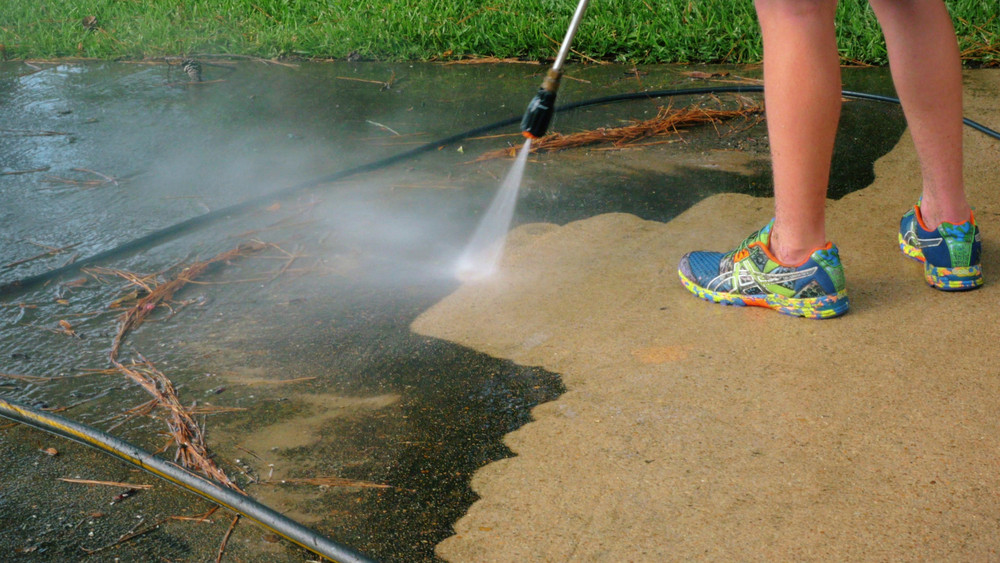
Walkways often require a different cleaning schedule than the rest of your home’s exterior. They are exposed to regular foot traffic, dirt, leaves, rain, and other debris. Because of this, the right cleaning frequency may depend heavily on how much use the walkway receives and the conditions around it.
For most homeowners, pressure washing a walkway once or twice per year is generally sufficient. However, according to This Old House, walkways exposed to heavy foot traffic or areas that are especially susceptible to mold and algae may require more frequent cleaning.
You may notice that your walkway needs attention sooner if it becomes slippery, develops dark stains, or begins to show green growth. These signs can be particularly noticeable on concrete and other porous surfaces, where moisture and organic debris can settle into the material.
Why Your Walkway May Need More Frequent Cleaning
Several factors can shorten the time between pressure washing services. A walkway surrounded by trees may collect leaves, pollen, and other organic debris. A shaded path may remain damp for longer periods, creating conditions where algae and mold can develop more easily.
Heavy foot traffic can also contribute to faster buildup. If your walkway is the primary route to your front door or is frequently used by family members, guests, or customers, it may need cleaning more often than a rarely used path.
Regular sweeping and removing leaves can help reduce buildup between professional cleanings. However, pressure washing may still be necessary when dirt becomes embedded in the surface or stains become difficult to remove.
What Pressure Setting Is Right for Vinyl Siding?
Pressure washing is not simply a matter of using the highest setting available. Different exterior materials have different cleaning requirements, and excessive pressure can potentially damage siding, loosen materials, or force water into areas where it does not belong.
According to Forbes, vinyl siding can typically be cleaned with a pressure washer set between 2,500 and 3,000 PSI. However, the appropriate setting can still depend on the condition of the siding, the type of equipment being used, and the cleaning technique.
It is important to maintain the correct distance from the surface and avoid concentrating high-pressure water on vulnerable areas. Windows, doors, vents, trim, and damaged sections may require additional care. When in doubt, following the manufacturer’s recommendations or hiring a professional can help reduce the risk of damage.
Create a Cleaning Schedule That Fits Your Property
There is no single pressure washing schedule that works for every home. For many properties, an annual exterior cleaning and walkway cleaning once or twice a year may be enough. However, homes in humid areas, properties surrounded by trees, and walkways with heavy use may need more frequent attention.
Pay attention to how quickly dirt, algae, mildew, and stains return. This can help you create a maintenance schedule based on your property’s actual needs rather than relying on a one-size-fits-all rule.
Pressure washing can help refresh your home’s exterior and keep walkways looking cleaner throughout the year. The ideal frequency depends on your property’s environment, the amount of foot traffic, the materials being cleaned, and how quickly visible buildup returns. By watching for signs of dirt, algae, mildew, and staining, you can determine when your home and walkways are ready for another cleaning.