Choosing the right roofing materials can feel overwhelming, especially with so many options and unfamiliar terms. For homeowners and first-time renovators, understanding the basics is key to making informed decisions that ensure durability, style, and cost-efficiency.
From shingles to underlayment, each component plays a vital role in protecting your home from the elements. Knowing the terminology not only simplifies conversations with contractors but also helps you evaluate the best options for your specific needs. This guide breaks down the essentials to get you started.
Popular Roofing Materials Explained for First-Time Owners
Understanding roofing materials simplifies decisions about Quality Exteriors. These materials are selected based on durability, regional conditions, and architectural style. Here’s a breakdown of commonly used options:
- Asphalt Shingles
Asphalt shingles are the most widespread roofing material in the US due to their affordability and ease of installation. They come in two types: 3-tab and architectural. Architectural shingles offer increased thickness and a dimensional appearance, while 3-tab is more budget-friendly. Asphalt roofs usually last 20-30 years.
- Metal Roofing
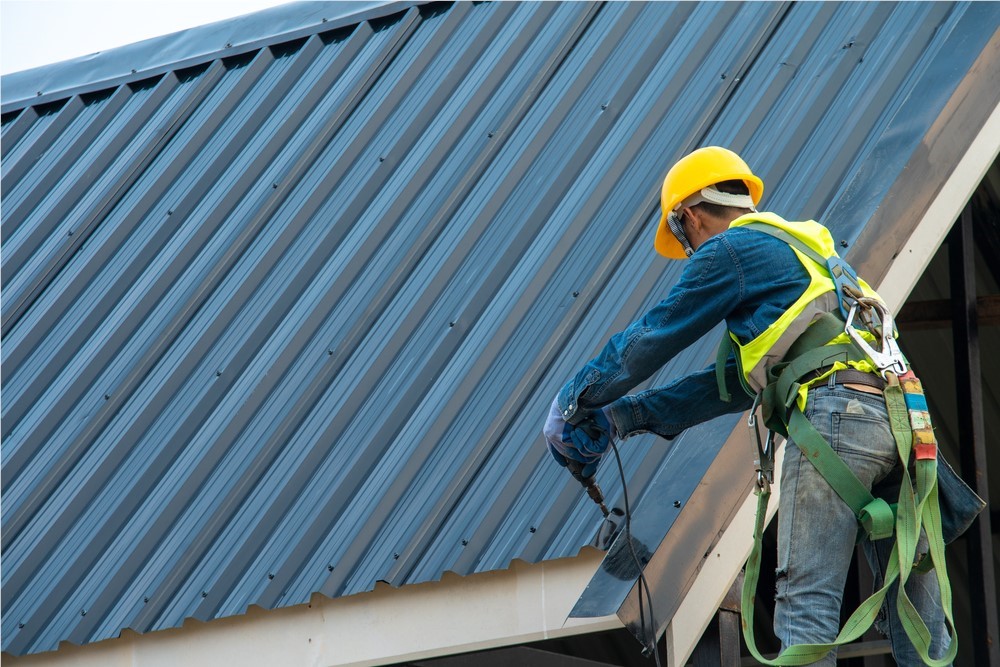
Metal roofs appeal to homeowners seeking longevity and energy efficiency. These are made from aluminum, steel, or copper, and can last 40-70 years with proper maintenance. Metal is lightweight, recyclable, and highly resistant to harsh weather, making it ideal for areas prone to severe conditions.
- Clay and Concrete Tiles
Clay and concrete tiles provide excellent durability and a classic look for Mediterranean or Spanish-style homes. Clay lasts over 50 years, while concrete tiles are slightly heavier but more economical. Both offer good resistance to fire, wind, and moisture.
- Slate Tiles
Slate is one of the most durable materials, with a lifespan exceeding 75 years. This natural stone roofing option has high resistance to water, fire, and extreme weather while offering a sophisticated aesthetic. It’s best suited for properties with reinforced structures due to its weight.
- Wood Shakes and Shingles
Wood roofs lend a rustic charm to cottages and traditional homes. Cedar and redwood are popular choices due to their natural resistance to decay and pests. Wood shakes provide a textured, handmade look, while shingles are smoother and thinner. Lifespan typically ranges from 20 to 30 years.
- Synthetic Roofing Materials
Synthetic options, like recycled rubber or polymer-based shingles, replicate the appearance of wood or slate while offering lighter weight and lower costs. These materials are resistant to impact and UV exposure, lasting approximately 30-50 years.
Optimal decisions about roofing depend on balancing style preferences, climate compatibility, and the desired longevity of quality exteriors.
What Is Roof Pitch and Why Does It Matter?
Roof pitch refers to the steepness or slope of a roof, expressed as a ratio of vertical rise to horizontal span (e.g., 4:12). This measurement affects both the functionality and aesthetics of a roof.
Steeper pitches, common in regions with heavy rainfall or snow, allow water and debris to run off more efficiently. Lower pitches, often seen in modern designs, are easier to install but may require additional waterproofing to prevent leaks. The pitch also influences compatible roofing materials. For example, asphalt shingles suit pitches of 4:12 or higher, while materials like metal or membrane are suitable for flatter roofs.
Builders and contractors often assess roof pitch when planning Quality Exteriors to ensure structural integrity and optimal drainage. Understanding pitch helps homeowners communicate effectively with professionals and make choices aligned with climate, style, and budget.
Understanding Layers: Underlayment, Decking, and Shingles
Roofing systems consist of multiple layers that contribute to their durability and efficiency. Each layer plays a specific role in protecting the structure and ensuring long-lasting performance.
Underlayment
Underlayment is a protective barrier installed directly onto the decking. It prevents water infiltration and serves as a secondary layer of defense beneath the primary roofing material. Common types include asphalt-saturated felt and synthetic underlayment. For quality exteriors, synthetic options are often preferred due to their enhanced durability, tear resistance, and weatherproofing capabilities.
Decking
Decking, also known as sheathing, creates the foundation for the roof. Typically constructed from plywood or oriented strand board (OSB), decking provides structural support and holds the underlayment and shingles in place. Proper installation of decking is critical for ensuring the roof’s stability, particularly in regions with strong winds or heavy snow. Maintaining consistent quality during this step enhances the performance of all subsequent roofing layers.
Shingles
Shingles form the outermost layer of the roofing system, directly exposed to weather conditions. As outlined in this Beginner’s Guide to Roofing, asphalt shingles dominate the market due to their low cost and straightforward installation. These shingles overlap to provide water resistance while improving the roof’s visual appeal. Alternative materials, including metal and slate, are also available, catering to specific aesthetic and durability requirements.
Understanding these layers helps property owners and managers evaluate roofing systems effectively, ensuring informed decisions and improved communication during installation or repairs.
Common Roofing Terms You’ll Hear During Estimates
Understanding roofing terminology is crucial when discussing estimates. Here are key terms often used:
- Flashing: Thin metal strips installed at roof joints, such as chimneys or valleys, to direct water away from these vulnerable areas. It prevents water infiltration and prolongs roof life.
- Underlayment: A protective layer placed between the decking and shingles, often made from felt or synthetic materials, to add water resistance and enhance durability.
- Decking: Also called sheathing, this structural layer supports the roofing system and secures materials like shingles in place. Commonly made from plywood or oriented strand board.
- Drip Edge: A metal strip installed along roof edges to prevent water from dripping behind gutters and causing damage to the underlying structure.
- Soffit: The underside of roof overhangs that improve ventilation by allowing air to flow into the attic. It also contributes to the overall appearance of the roof.
- Roof Pitch: The slope of a roof expressed as a ratio of vertical rise to horizontal span, which affects material compatibility, water runoff efficiency, and aesthetic design.
- Valley: The intersection of two roof slopes, forming a channel that carries water to the eaves. Proper valley installation prevents leaks and pooling.
- Ridge: The horizontal line at the top of two converging roof slopes. Ridge vents placed here aid ventilation by allowing hot, moist air to escape.
- Eave: The edge of a roof that extends beyond the exterior wall, often housing gutters to direct water away from the foundation.
- Shingles: The outermost roofing layer, typically made from asphalt, wood, metal, or slate. Chosen based on cost, durability, and style.
Recognizing these terms simplifies conversations with contractors and ensures accurate communication when exploring quality exteriors or pricing roofing services. Proper knowledge is essential for beginners navigating roof installation or repair discussions.
Choosing Between Asphalt, Metal, Slate, and Tile Roofs
Selecting the right roofing material and understanding key terminology can transform a daunting task into a manageable decision-making process. By weighing factors like durability, style, and climate compatibility, homeowners can find a solution that meets their needs and budget.
Whether it’s the affordability of asphalt shingles, the longevity of metal, or the timeless appeal of slate and tile, each material offers unique advantages. A solid grasp of roof pitch, system layers, and essential terms ensures clear communication with contractors and confident choices for any roofing project.